The Aeneid – the Cost FOR AN Empire
52 Books in a Year – Week 4
Welcome back to my 2026 book challenge — 52 Books in a Year.
We are now firmly in the world of epics. First, The Epic of Gilgamesh. Then The Iliad. Then The Odyssey. And now… The Aeneid.
Honestly, this one felt a lot like Rome looking at the Odyssey and deciding it needed its own version. It's mythology with a purpose — a story that exists to justify a civilisation.
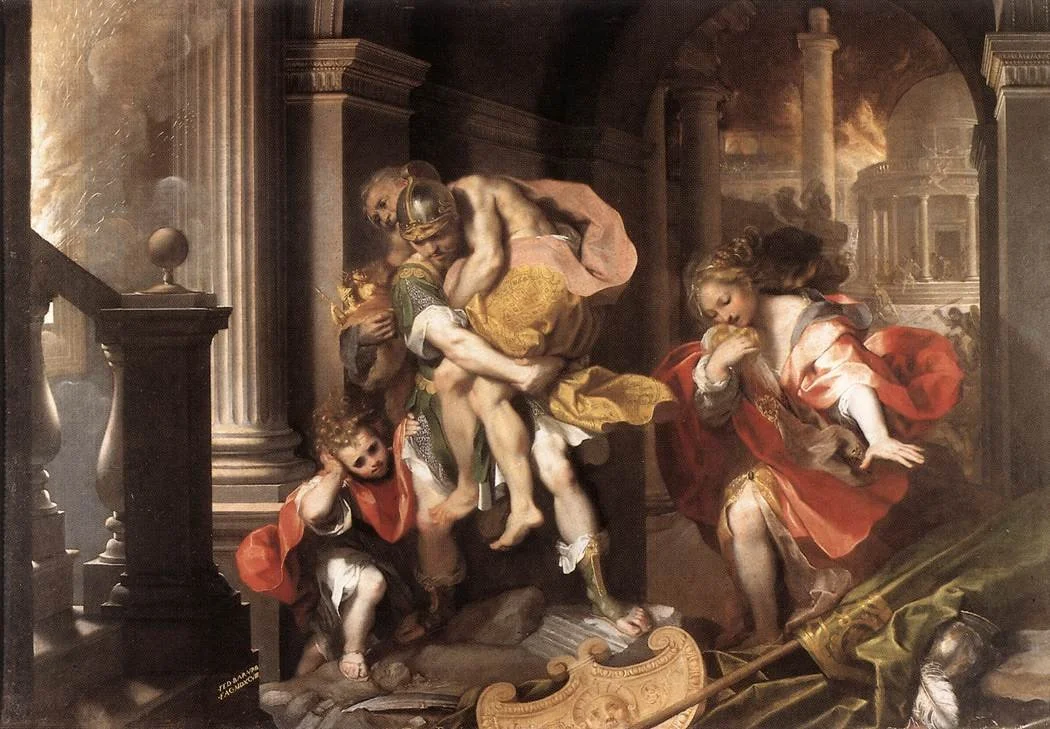
From Heroes to Nations
If The Iliad is about rage, and The Odyssey is about survival, then The Aeneid is about duty.
Aeneas is not Achilles. He's not Odysseus either. He doesn't fight for glory or wander alone trying to get home. He carries something heavier: the future of Rome. And that changes everything about how the story feels.
A Different Kind of Hero
Aeneas is often described as "pious," and I'll be honest — I didn't fully buy into that at first. It sounds like a compliment, but as the story unfolds, you realise it's something more complicated than kindness or morality. It's obedience. To the gods, to fate, to a future he'll never fully live to see. Even when it costs him everything.
The Brutality of Duty
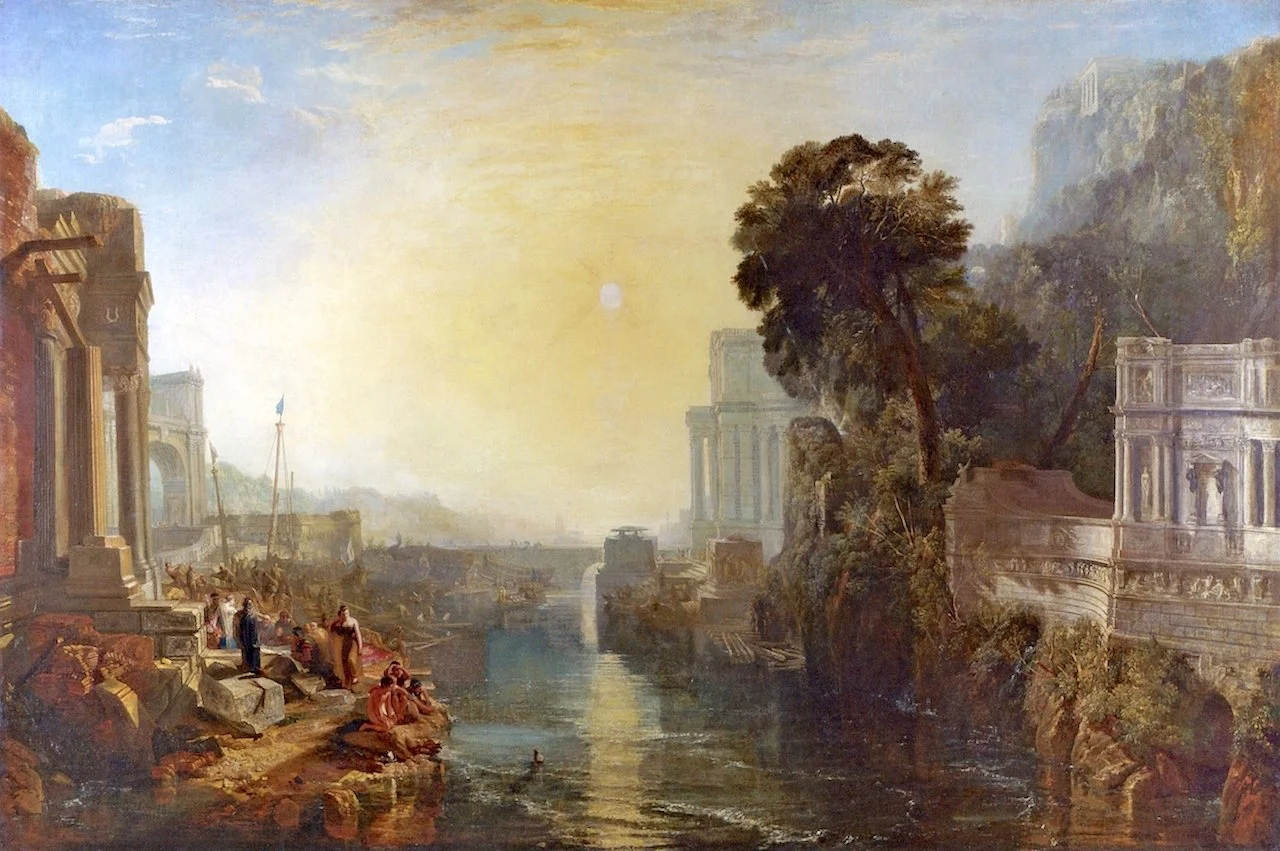
The moment that stayed with me most is Dido. What begins as a real connection — maybe even love — gets sacrificed. Not because Aeneas wants to leave, but because he believes he has no choice. It made me think about the times I've let something important go because it didn't feel like it was meant to be. That's a very human thing, and it's the most human moment in the whole book.
War, Again — But Different
When the war comes in the second half, it feels familiar after The Iliad. But the framing is completely different. In The Iliad, war is tragic, chaotic, and deeply emotional. In The Aeneid, it feels necessary. And that's what makes it uncomfortable.
You start to see what Virgil is actually doing. He's not just telling a story — he's building the foundation for Roman identity, for empire, for the idea that some violence is justified if it leads to destiny. It's propaganda dressed as poetry, and it's brilliant and unsettling in equal measure.
The Ending
That final moment — Aeneas standing over Turnus — is the one I keep coming back to. For a second, it feels like mercy might win. Like, we might get something like the resolution of the Odyssey.
And then he kills him. Not out of rage like Achilles. Not out of survival like Odysseus. But because he remembers what must be done.
That's what The Aeneid leaves you with. Not triumph, not relief — just inevitability.
So… Is It Better Than The Iliad or The Odyssey?
Honestly, no. But I don't think it's trying to be.
The Iliad feels raw. The Odyssey feels human. The Aeneid feels constructed — deliberate, political, almost like mythology with an agenda. And that's not a criticism. If anything, it's what makes it fascinating: this is where storytelling stops being just storytelling and becomes power.
Final Thoughts
The Aeneid isn't the most emotional of the three, and it's not the most entertaining. But it might be the most important, because it shows you something that feels increasingly relevant: stories don't just reflect culture. They build it.
Rating: ★★★★☆ (4/5)
Next up: Mahabharata