The Iliad – Rage, Honour, and the Cost of Glory
52 Books in a Year – Week 2
Welcome back to my 2026 book challenge. 52 Books in a Year. I know, sounds mental, but I have seen others pull it off, so giving it a go. I also feel weird complaining as I love reading!
Much like the first instalment of The Epic of Gilgamesh, this book is overdue, and I am playing catch-up. I finished this book on 11th January! But hey, life gets in the way sometimes, and that’s ok. Don’t know about you but time away sometimes helps me reflect more deeply on something, so when the pen hits the paper, it resonates more.
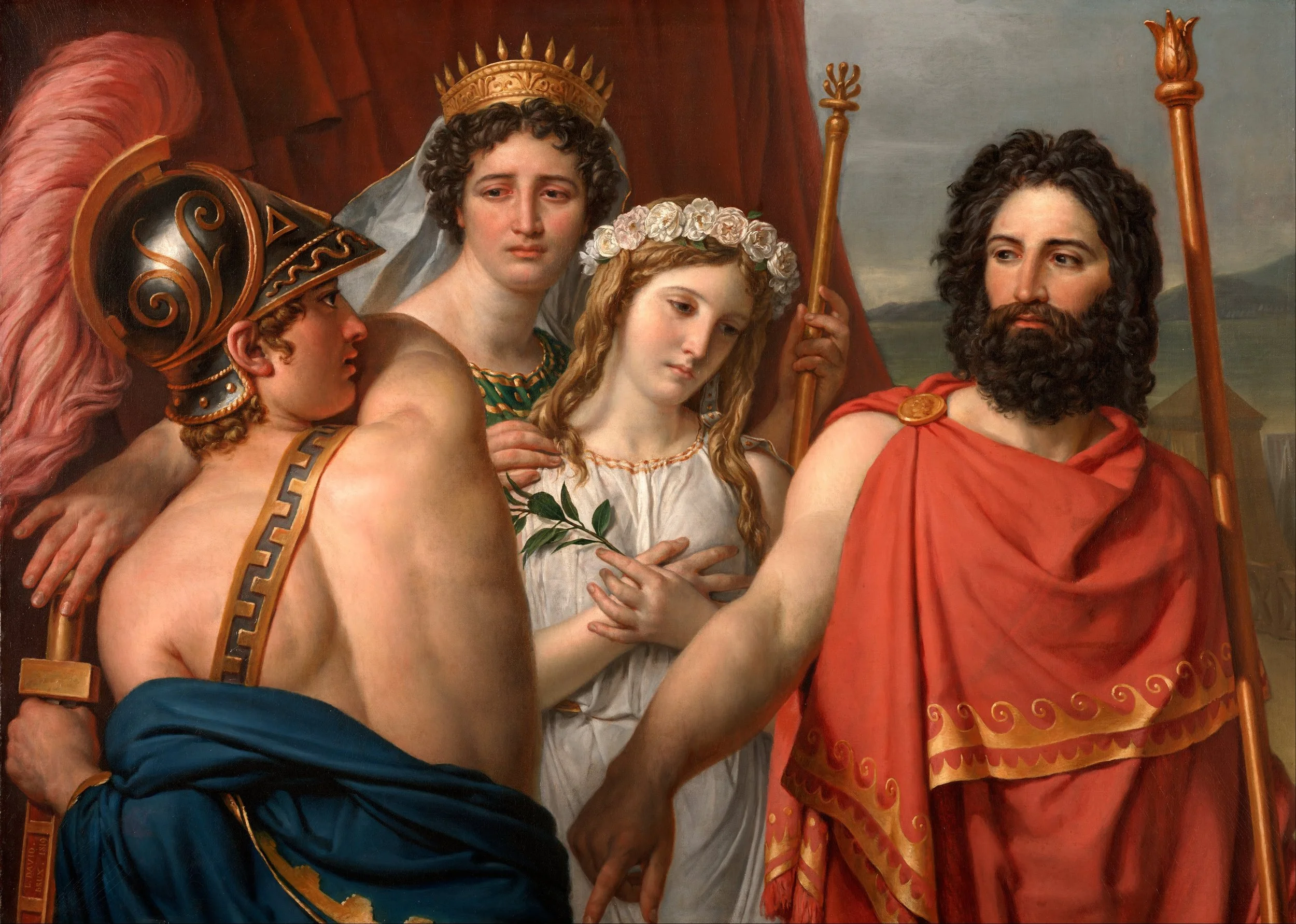
All I can say about this painting is: Men, men, men… we don’t do ourselves any favours.
Sooo… here it goes.
The Epic of Gilgamesh, perhaps, isn’t the oldest fantasy literature ever, as I am sure stories were born when language was born. But it's certainly considered the earliest recorded piece of fantasy literature. But I felt that the art of storytelling, especially in fantasy (or, some would argue, mythology), was sharpened by The Iliad.
I expected The Iliad to be about war. Like many before me, I learned about this ancient tale in school, in movies, and through commonly used analogies. I presumed it was just battles. Strategy. Heroes clashing under burning skies. I mean it is, a lot of it anyway, but it is also about how we are playthings of the Gods, and that rage and ego (that thing again) gets in away of duty.
What This Book Is
Attributed to Homer and composed around the 8th century BCE, The Iliad is set during the Trojan War—but it doesn’t tell the whole war.
Achilles essentially refuses to fight as his feelings were hurt by King Agamemnon, the Greeks start getting their shins kicked in by the Trojans. Gods start getting involved and debating amongst themselves who should have their favour. Then Achilles’s closest companion is killed by Hector (by self will/not self will - depends how you look at it), then rage takes over ego and Achilles steps back in, kills Hector and then… bit of philosophy and grieving and reflection, a funeral then the end.
When I first picked it up. I was expecting the Brad Pitt film Troy, but that is a combination of Iliad and the first segment of The Odyssey. To my surprise I actually loved this about the book. It became more than a war story, but a character driven ensemble—at times, almost like a mythological soap opera.
Thematic Core
1. Rage as a Force of Destruction
The opening line tells you everything you need to know:
“Sing, goddess, of the rage of Achilles…”
The rage.
Achilles’s rage came from two points… His wounded pride when King Agamemnon takes Briseis for himself, which was Achilles war prize (bit dark). A form of public humiliation. His ego by pulling from war lets many Greeks die. The second point was his grief-fuelled fury. Patroclus’s death. Which triggered and uncontrollable thirst for revenge. Now that to me screams guilt and I feel its a very human thing for Achilles to feel, although desecrating Hector’s body after takes it a bit too far… we all know Hector is the dude.
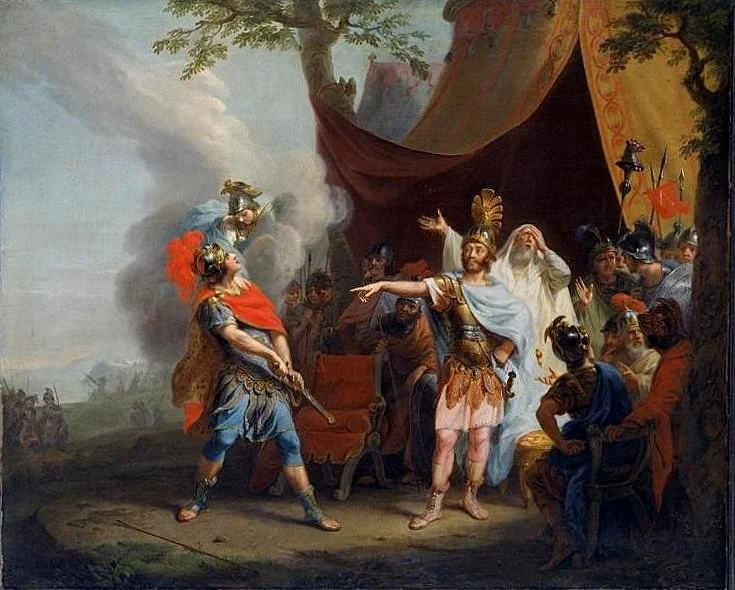
I love the God appearing from the cloud of smoke, what is interesting is you could argue that the mortals see or know it is happening. Divine acknowledgement.
2. The Cost of Glory
Another aspect of the book I found fascinating, and perhaps it was just me… but every warrior in this story is chasing the same thing:
To be remembered.
To live on through reputation.
To matter after death.
But the cost is always the same. Death. It is almost a certainty. And what’s striking is that they all know it. They go anyway.
3. Seeing the Enemy as Human
One of the most powerful aspects of The Iliad is that it refuses to simplify the conflict. Hector is not a villain. He is a protector. A father. A man doing exactly what he believes is right. And when he dies, the story does not celebrate. It mourns. I mean, it is gripping stuff. Homer was really connected to reality in many ways when building this material.
The Gods and the Illusion of Control
One thing that becomes clear very quickly in The Iliad is that the war is not just human, despite it’s honesty.
The gods are everywhere—choosing sides, interfering in battles, nudging decisions. This was obviously a nod to the culture of that time, which still exists today in other religious traditions. How Gods bless or curse us mere humans. In The Iliad in particular, I found it fascinating how human the Gods were in their bickering and preferences, again - ego. Maybe we really were made in God's image...
Athena restrains Achilles. Apollo sends plague. Zeus attempts to balance outcomes. Rules are set and broken like a game.
And yet, even with divine intervention, the result never feels controlled. If anything, the gods amplify the chaos. They don’t prevent tragedy at all—they accelerate it.
Which raises a question the story never fully answers:
Are these men making their own choices? Or are they being pushed toward something inevitable?
In many ways, the gods feel less like rulers of the world and more like reflections of it—mirroring the same pride, anger, and bias as the humans below. And that might be the most uncomfortable idea in the entire story.
That even the divine is flawed.
The Line That Stayed With Me
Digressing briefly. That opening line… “Sing, goddess, of the rage of Achilles…” It’s one of the most famous openings ever written—and it earns it. Because it tells you, immediately, what this story is going to be about. In a way that doesn’t ruin the story, but more props you up to be on the edge of your seat.
Legacy & Influence
Unlike Gilgamesh, The Iliad has a clear and direct line of influence across storytelling. Will leave that there. I mean it’s in school curriculum here in the UK. Or was when I was at school.
1. The Foundation of Western Epic
This is a blueprint. Even recent films such as All Quiet on the Western Front. Of course, it has a different setting, but the same core idea. War is not heroic; it's devastating. The Iliad also passes down tropes such as the Flawed Hero, Emotion as a plot engine, War as a consequence, and, as previously mentioned, the Humanisation of both sides. Many films or books in modern culture adopt these archetypes. Whether it is subconscious or intentional, it happens.
2. The Warrior Archetype
Talking about Archetypes, the Warrior! Achilles sets the standard for a type of character we still see everywhere. Unmatched in skill and undone by his own nature.
You can see echoes of him in movies, where the Warrior Archetype resides more commonly than not! Such as;
Troy – a direct interpretation
Gladiator – honour vs authority
Braveheart – rage as fuel
Game of Thrones – pride, power, consequence
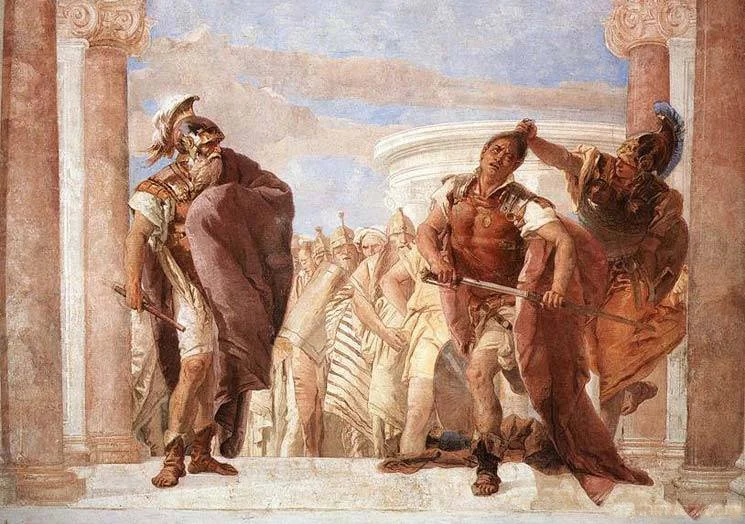
Dude get off his hair!
3. War as Tragedy
What The Iliad does differently is present war in a way that doesn’t glorify it. The exposure of brief victories and permanent losses is raw.
What It Does Better Than Modern Fantasy?
Not much to be honest. I guess you could argue, it’s focussed around one emotional axis of rage. Where every step in the book feeds it and tests it. Also, there is no romantic filter - some could also argue that isn’t better.
Final Verdict
★★★★★ (5/5)
It is a book everyone should read at least once, despite its very challenging nature. It is history in how we look at the world through literature. Focused. Brutal. Unapologetically human.
Next Up The Odyssey – The Long Journey Home