The Epic of Gilgamesh – The First Human FANTASY STORY
Welcome to my 2026 book challenge. 52 Books in a Year. I am playing catch-up with my blogs as I am on week 12, but hey ho, life is life. So here is week 1. Where better to start than the evidence that a love for fantasy has existed in us humans for as long as we can look back? The first ever documented Fantasy story IMO. The Epic of Gilgamesh.
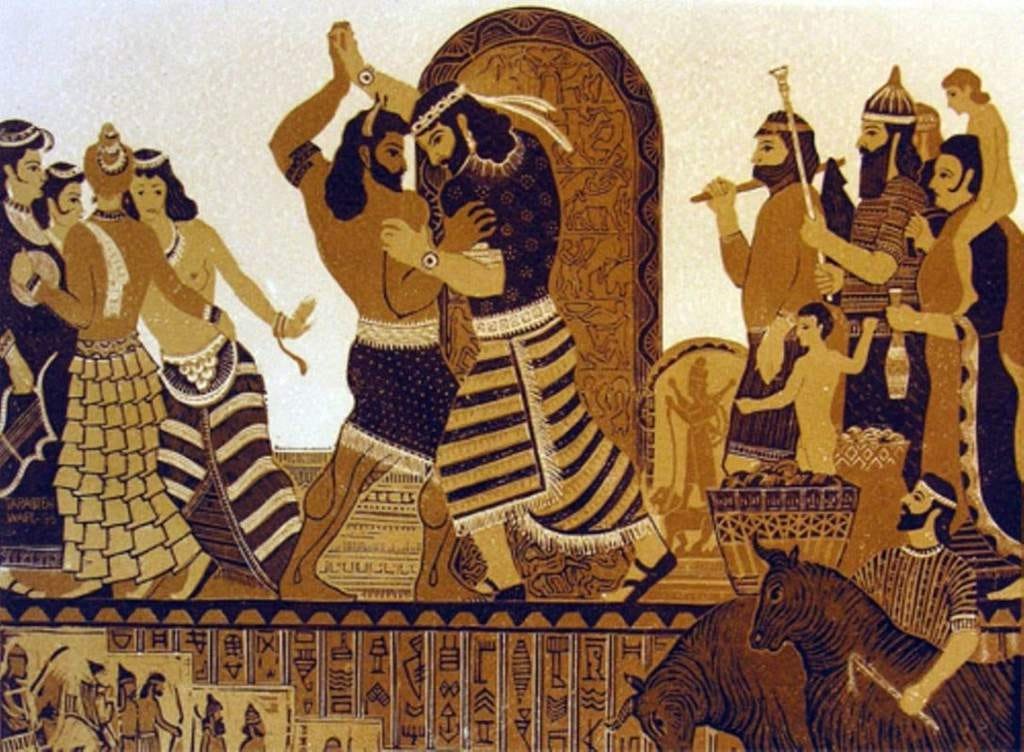
I expected The Epic of Gilgamesh to feel ancient.
Distant. Academic. Something to admire rather than feel.
Instead, it felt uncomfortably modern.
This is not just one of the oldest stories ever written—it is the first recorded exploration of a problem we still haven’t solved:
How do you live, knowing you are going to die?
What This Book Is
Dating back to ancient Mesopotamia (circa 2100 BCE in its earliest forms), The Epic of Gilgamesh is often considered the foundation of all narrative storytelling.
Before Tolkien. Before Homer. Before scripture was standardised.
There was a king, a friend, and a fear of death.
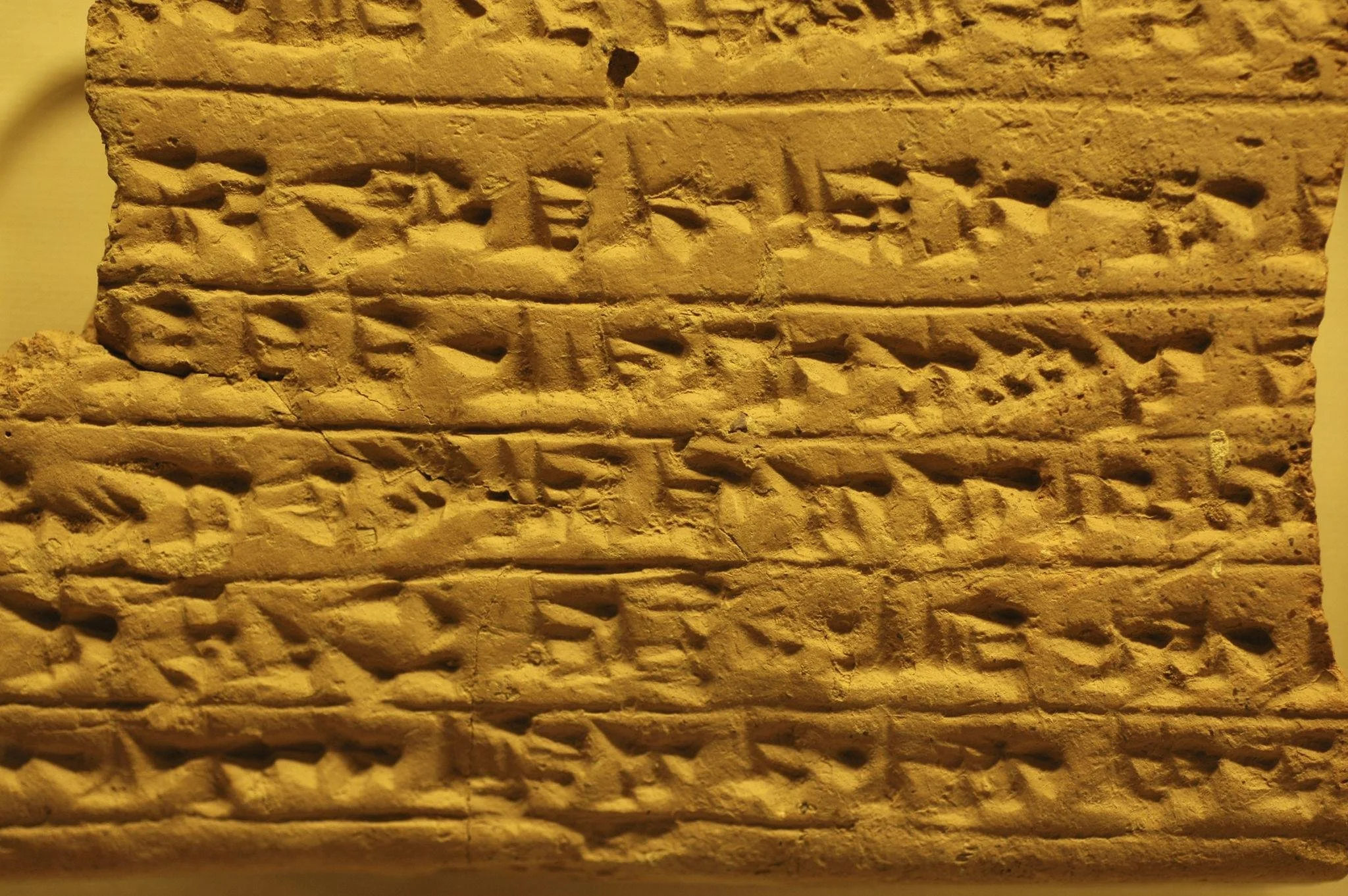
At its core, it follows Gilgamesh—two-thirds divine, one-third human—who begins as a tyrant and becomes something far more interesting: a man confronted by his own limits.
Thematic Core
1. Mortality Is the Beginning of Meaning
What I liked most about Gilgamesh is that he does not become a legend through victory, but through loss.
Now, of course, it starts off with him being this great hero, capable of incredible feats. But through loss, he becomes a legend.
When Enkidu dies, the story shifts. What begins as myth becomes an existential crisis. The strongest man in the world realises something no strength can overcome:
He will die. Time gets us all.
Everything that follows—the journey, the trials, the desperation—is not about adventure. It is about denial. A very human trait.
And eventually, it comes to a simple understanding of acceptance. Which is where it is poetic.
2. Friendship as Transformation
Before Enkidu, Gilgamesh had unchecked power.
After Enkidu, he is human.
This might be one of the earliest examples of a narrative truth we still rely on:
The right companion doesn’t support you—they change you.
Enkidu is not just a friend. He is a mirror. A counterweight. A necessary force that turns a ruler into a man worth remembering.
3. The Futility of Immortality
Gilgamesh’s quest is simple:
Do not die.
What he learns is equally simple:
You cannot win that fight.
But the story does not end in despair. It reframes the question.
Not: How do I live forever?
But: What do I leave behind?
A Line That Stayed With Me
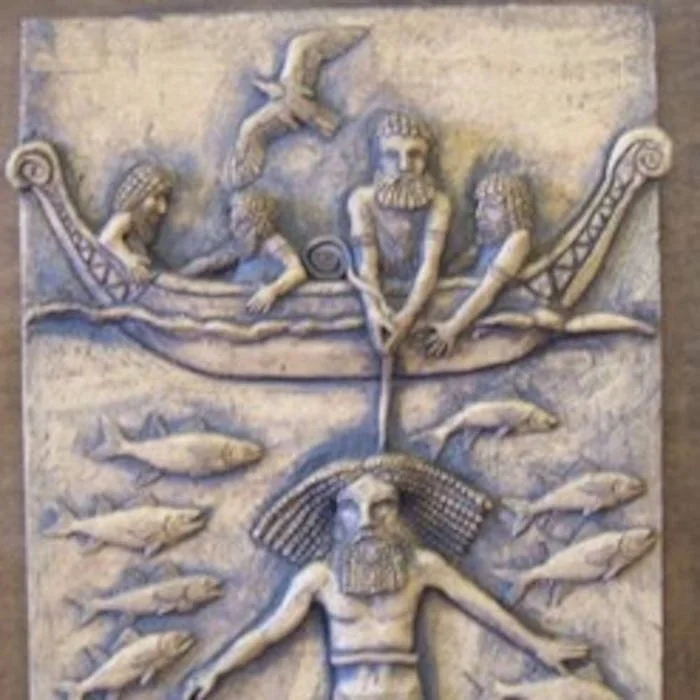
“When the gods created mankind, death they dispensed to mankind, life they kept for themselves.”
There is no comfort in this line. That is why it works.
It does not offer hope of escape. No hidden path. No divine loophole.
It simply draws the boundary.
And once that boundary is clear, the question changes—not how to live forever, but how to live well. And it’s great to see that even after being told no, it is not possible to live forever at the ends of the world. On his way back, he nearly grasps immortality from the depths of the ocean. Showing an interesting trait that even in acceptance of defeat, someone will try to grasp that desire of immortality with both hands if it presents itself again. Then karma takes it from him once again. Which, strangely, is a trigger for me that he lacked honour there. His lowest point wasn’t reaching the end of the world and being told no, but getting immortality, then losing it through karma.
Legacy & Influence
It is tempting to draw a straight line from The Epic of Gilgamesh to every modern fantasy story. The reality is more precise—and more interesting.
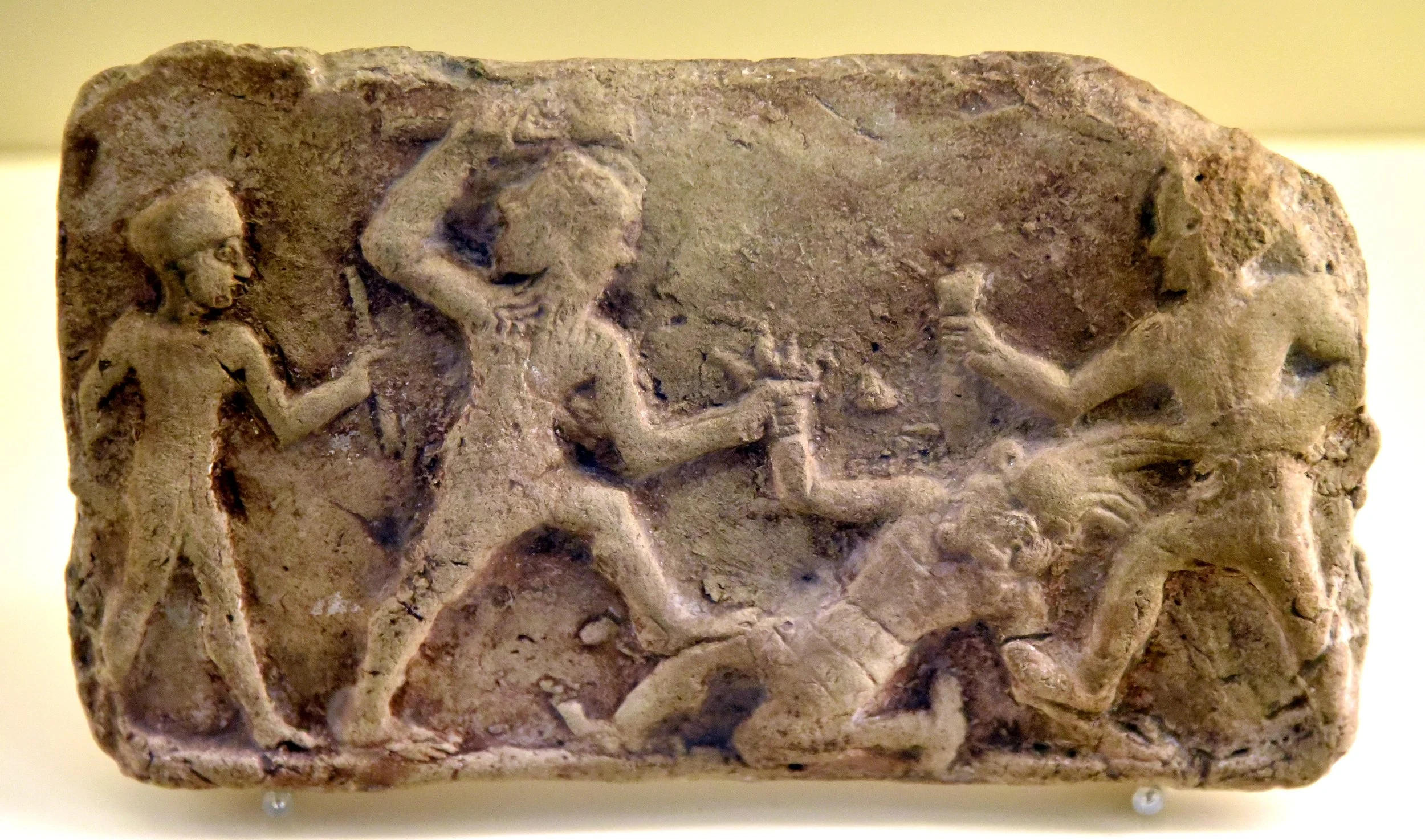
Gilgamesh did not directly influence Tolkien or modern cinema in a linear sense. For much of history, it was lost. The tablets were only rediscovered and translated in the 19th century.
Its influence works in two key ways:
1. It Established the Earliest Narrative DNA
Gilgamesh is not the “first fantasy story” in genre terms—but it is one of the earliest surviving examples of structured heroic narrative.
You can see the foundations of:
The tyrant-king turned reflective ruler
The transformative companion (Enkidu)
The journey beyond civilisation into the unknown
The failed quest for immortality
The return with knowledge instead of victory
These elements later reappear in:
Greek epic (The Iliad, The Odyssey)
Roman epic (The Aeneid)
Norse myth cycles
Anglo-Saxon works like Beowulf
Not because those writers read Gilgamesh, but because they inherited similar mythic structures from the ancient world.
This is parallel evolution, not direct copying.
2. It Contains the Earliest Recorded Versions of Core Mythic Motifs
Several narrative elements in Gilgamesh echo across later traditions:
The Flood Narrative
Utnapishtim’s story closely parallels later accounts in:
The Hebrew Bible (Noah)
Greek myth (Deucalion)
The Wild Man Civilised
Enkidu’s transition from nature to culture appears in later archetypes:
Medieval “green man” figures
Characters caught between civilisation and wilderness
The Quest for Eternal Life
A recurring mythic pattern seen in:
Alchemical traditions
Arthurian legend (Grail as spiritual immortality)
Modern fantasy’s obsession with immortality (rings, elixirs, gods)
3. Its Modern Influence Is Indirect—but Real
Once rediscovered in the 1800s, Gilgamesh began influencing modern writers, scholars, and myth theorists, thereby shaping contemporary storytelling.
Scholars like Joseph Campbell helped frame universal story structures (Hero’s Journey), where Gilgamesh is often cited as an early example.
Writers and creators began consciously engaging with ancient myth as a foundation for fantasy worlds.
You can feel its thematic DNA—not as a direct source, but as a shared origin point—in:
The Lord of the Rings – mortality vs immortality, legacy, fading civilisations
Game of Thrones – power without moral restraint leading to ruin
The Northman – mythic masculinity, fate, and vengeance
Gladiator – what it means to be remembered after death, Shadows and dust.
4. What Gilgamesh Actually Gave Us
More than plot, more than structure—Gilgamesh gave us something deeper:
The idea that the story is a tool for confronting death.
Not escaping it. Not defeating it.
Understanding it.
Every great fantasy story, since—whether it admits it or not—is still grappling with that same question.
What It Does Better Than Modern Fantasy
Modern fantasy often hides its themes beneath complexity.
Gilgamesh does the opposite.
It is direct. Brutal. Honest.
There is no irony. No detachment. No safety net.
It looks at death—directly—and builds meaning in spite of it.
That clarity is rare.
Final Verdict
★★★★☆ (4/5)
Not always easy to read, and at times fragmented—but undeniably powerful.
If you want to understand fantasy—not just as entertainment, but as a reflection of what it means to be human—
This is where you start.
Next Up: The Iliad – Rage, Honour, and the Cost of Glory